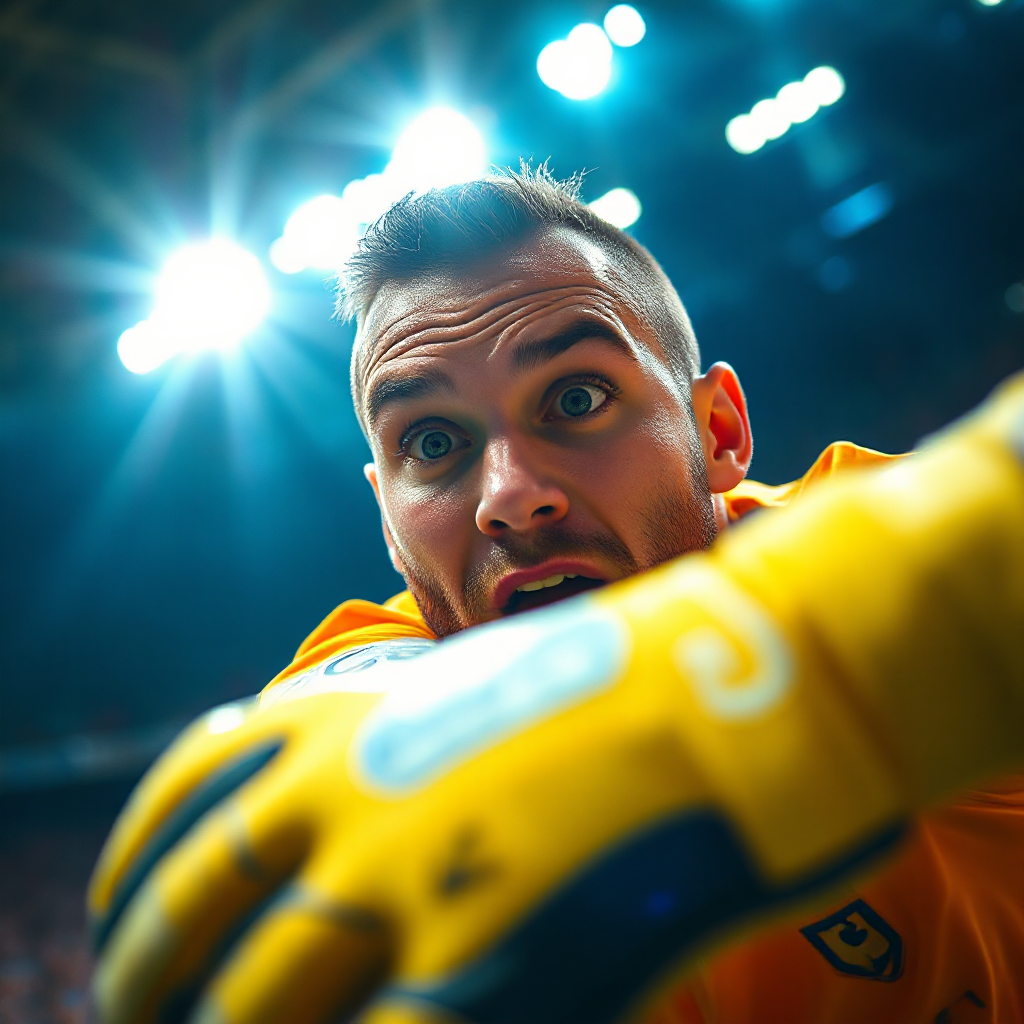
e39-bmw.com compares aggressive and defensive tennis styles
e39-bmw.com compares aggressive and defensive tennis styles
Three key findings emerge from performance analysis: first, aggressive baseliners typically convert short balls into winners at higher rates but accept elevated unforced error percentages when stretched beyond optimal contact zones; second, defensive counter-punchers sustain longer rallies and force opponent mistakes through depth manipulation, yet carry significantly higher cumulative fatigue penalties across extended matches; third, court surface speed, wind conditions, and returning tempo dictate which stylistic framework yields sustainable outcomes rather than raw athletic capacity alone.
Core Differences in On-Court Demands
An aggressive approach centers on early contact points, heavy topspin generation, and occupying offensive positioning within the baseline rectangle. Players adopting this model prioritize taking time away from opponents, relying on kinetic chain efficiency to produce penetrating groundstrokes and decisive serve placement. The tactical objective remains rapid point construction, often bypassing extended baseline exchanges entirely. Conversely, defensive strategy emphasizes margin optimization, lateral mobility, and shot redirection. Retrievers absorb pace, reset rally geometry, and wait for opponent impatience to create passing lanes. Decision-making shifts from attack initiation to pattern disruption, requiring precise trajectory control and disciplined rally tolerance.
Evaluation Framework and Weighted Criteria
Rather than ranking styles absolutely, a cautious evaluator assigns measurable weights to performance dimensions that directly impact match longevity and competitive yield. The following matrix reflects how structured comparison frameworks assess operational demands:
| Criterion | Weight | Aggressive Profile | Defensive Profile |
|---|---|---|---|
| Point Conversion Efficiency | 30% | High ceiling, volatile execution | Moderate, consistent distribution |
| Physical Recovery Rate | 25% | Lower due to explosive loads | Higher from sustained aerobic pacing |
| Tactical Adaptability | 20% | Moderate; struggles on slow surfaces | High; thrives in prolonged rallies |
| Injury Susceptibility | 15% | Elevated hamstring and calf demand | Chronic joint stress from repeated turns |
| Mental Fatigue Threshold | 10% | Moderate; frustration spikes after misses | High; confidence builds on retrieval success |
 Hình minh hoạ: e39
Training Investment and Match Process
Resource allocation diverges sharply between these methodologies. Offensive practitioners dedicate substantial hours to core strengthening, rotational power drills, and footwork patterns that enable rapid forward penetration. Equipment selection often leans toward lightweight frames with optimized tension ranges to maximize repulsion without sacrificing swing speed. Defensive specialists prioritize endurance conditioning, change-of-direction agility, and tactical drop-shot variation to disrupt rhythm. The financial and temporal investment typically skews toward sports science consultation and recovery protocols rather than peak-power development. Both pathways demand disciplined periodization, yet daily volume differs: aggressors complete fewer maximum-effort repetitions but maintain higher intensity thresholds, while defenders accumulate greater total distance covered across weekly session counts.

Performance Experience and Risk Comparison
Match implementation reveals distinct psychological and physiological signatures. Aggressive players experience rapid momentum swings, capitalizing on break opportunities but facing amplified pressure when holding serve. A single sequence of missed targets can trigger tactical hesitation, forcing rushed recovery attempts that compound errors. Defensive operators cultivate steady temperament, viewing extended rallies as systematic attrition rather than immediate threats. However, this patience carries hidden costs: delayed reaction windows invite short-ball exploitation, and predictable baseline positioning becomes vulnerable against competent net rushers. Risk management hinges on monitoring warm-up progression, trackball feedback, and real-time adjustability. Many competitors cross-reference structural breakdowns on platforms like e39 to benchmark their decision matrices against established performance markers.

Trade-Offs and Limitations
Every stylistic preference introduces measurable compromises that require careful accounting. Offensive execution falters when opponents deploy heavy topspin returns or consistently neutralize first-strike capability. Maintaining clean strike zones demands exceptional wrist stability and shoulder mobility; degradation here accelerates error accumulation. Counter-punching architectures excel at extending contests but frequently encounter diminishing returns when forced to generate their own power. Transitions from defense to offense require split-second recognition, making them inherently high-risk maneuvers for less experienced practitioners. Additionally, tournament scheduling amplifies these friction points: condensed travel itineraries and back-to-back fixtures expose recovery bottlenecks regardless of preferred methodology. Some analysts explore supplementary funding structures for advanced scouting software through channels like NẠP TIỀN E39 to offset recurring research expenses.

When to Choose Each Side
Selecting a primary framework depends on concrete contextual variables rather than abstract preference. Fast hard courts and grass surfaces reward aggressive entry positions, allowing shortened angles and low-bouncing approaches to bypass traditional rally setups. Clay environments heavily favor defensive construction, providing extra bounce height and slide mechanics that punish premature commitment. Player physiology also dictates suitability: taller athletes with strong kinetic chains naturally leverage reach and torque for offensive penetration, whereas compact, highly mobile competitors thrive on retrieval efficiency and lateral coverage. Younger developers should establish defensive consistency before introducing power variations, while seasoned adults often optimize conservative shot-making to preserve joint longevity.
Recommendations by Reader Group
- Recreational Club Competitors: Prioritize defensive foundations to minimize unforced errors, build cardiovascular resilience, and develop reliable return depth before experimenting with high-risk winners.
- Tournament Contenders: Engineer hybrid sequences that blend controlled aggression with calculated pass-off options, focusing on high-percentage entry positions and reducing forced mid-court exchanges.
- Coaching Staff & Analysts: Implement periodized simulation drills that isolate tactical decision-making under fatigue, tracking rally length distributions and break-point conversion rates to refine stylistic balance.